
Who Needs an LEI?
...
Key takeaway: The need for a Legal Entity Identifier (LEI) primarily depends on regulatory requirements within specific jurisdiction: The country or legal area whose laws and regulations apply to an entity or activity. and the nature of an entity's financial activities, especially involving transactions like securities trading, derivatives: Financial contracts (e.g., forwards, futures, swaps, options) whose value is derived from an underlying asset, rate, index, or other reference., and regulatory reporting.
On this page
How to tell whether your entity actually needs an LEI.
Introduction
An LEI is a 20-character identifier used in reporting, trading, and reference data. The requirement does not apply to every company. It usually appears when a legal entity enters regulated markets, files transaction reports, or works with a bank, broker, or counterparty that depends on LEI data.
This guide explains the common cases, the main exceptions, and the practical consequences of not having one when a rule or market process expects it.
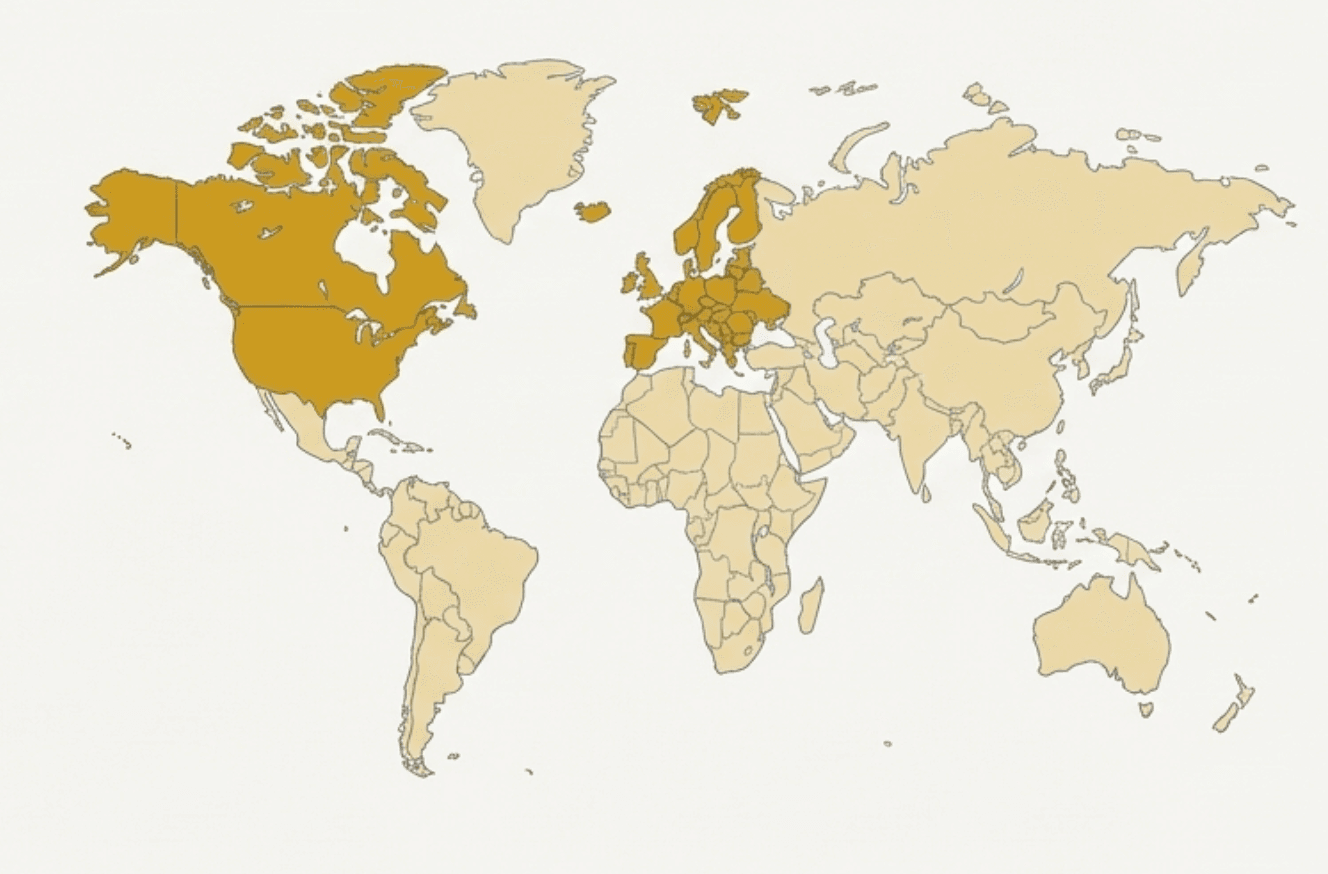
What Is an LEI?
An LEI (Legal Entity Identifier) is a unique, publicly accessible code assigned to legal entities participating in financial transactions. Managed under the Global Legal Entity Identifier System (GLEIS: GLEIS (Global LEI System) — the global framework of rules and institutions that supports issuing and publishing LEIs.) and supervised by the Global Legal Entity Identifier Foundation (GLEIF: GLEIF — the organization that coordinates the global LEI system and maintains data quality in the Global LEI Index.), the LEI links an entity to verified reference data—its legal name, address, registration number, and ownership structure.
Entities That Require an LEI
Most LEI obligations come from regulation or from participation in a market workflow that relies on standardized entity identification. These are the entity types that most often need one:
1. Financial Institutions
Banks, investment firms, insurance companies, and asset managers are almost universally required to have an LEI under regulations such as:
- MiFID II: MiFID II — an EU directive regulating financial markets, including transaction reporting and entity identification requirements (e.g., LEI usage). / MiFIR: MiFIR — an EU regulation accompanying MiFID II, directly applicable and covering, among other things, transaction reporting rules. (EU)
- Dodd-Frank Act: Dodd-Frank Act — a U.S. post-2008 financial reform law, including derivatives market reporting and oversight requirements. (US)
- EMIR: EMIR — an EU regulation focused on derivatives (especially OTC), including mandatory reporting to trade repositories. (EU)
- FCA Regulations (UK)
- MAS Reporting (Singapore)
If your institution issues or trades securities, derivatives, or foreign exchange instruments, an LEI is mandatory.
2. Corporate Entities
Any company involved in financial transactions—especially those engaging with:
- Stock exchanges
- Bonds and fixed income markets
- Derivatives
- Cross-border payments
- Trade finance instruments
Private limited companies, public corporations, subsidiaries, and even non-listed firms may require an LEI depending on the nature of their activities and regulatory jurisdiction.
3. Investment Funds and Fund Managers
LEIs are often required for:
- Collective Investment Vehicles (UCITS: UCITS — an EU regulatory framework for retail investment funds., AIF: AIF (Alternative Investment Fund) — an investment fund that is not a UCITS fund.)
- Pension funds
- Fund administrators
- Trusts (depending on jurisdiction)
Fund-level LEIs are frequently needed to report transactions independently of the fund manager.
4. Government Entities and Non-Profits
Even non-commercial legal entities may need an LEI when:
- Issuing or holding securities
- Participating in derivative markets
- Reporting under regulations like SFTR: SFTR — an EU regulation on reporting securities financing transactions (e.g., repos, securities lending). or EMIR
Examples include municipalities issuing bonds or state-backed institutions participating in capital markets.
5. Trusts and SPVs
While individuals are not eligible for LEIs, trusts, foundations, and special purpose vehicles (SPV: SPV (special purpose vehicle) — a legal entity created for a specific project or financial structure.) often must register if they engage in financial transactions or reporting.
Some jurisdictions consider fiduciary structures like trusts as legal entities, requiring LEIs based on financial reporting frameworks.
When Is an LEI Mandatory?
LEIs are required under specific use cases. If your organization engages in any of the following, you likely need an LEI:
| Use Case | LEI Requirement |
|---|---|
| Trading stocks, bonds, or ETFs | Required |
| OTC: OTC (over-the-counter) — transactions negotiated off-exchange, directly between parties or via a broker. derivatives reporting | Required (EMIR, Dodd-Frank) |
| SFTR transaction reporting | Required |
| Cross-border payment messages (ISO 20022) | Strongly recommended |
| Filing with financial authorities (e.g., ESMA, FCA) | Required |
| Holding securities in custody | Often required |
| Issuing corporate debt | Required |
What If You Don't Have an LEI?
If an LEI is required and you do not have one, the practical problems usually show up first:
- Rejection of trade orders on regulated platforms
- Regulatory penalties or non-compliance flags
- Exclusion from custody, clearing, or settlement systems
- Inability to report trades or fulfill transparency obligations
In some regimes, especially under MiFID II style reporting, the rule is simple: no valid LEI, no trade.
Who Does Not Need an LEI?
Entities generally NOT requiring an LEI:
- Private individuals
- Sole proprietors not participating in financial markets
- Entities not engaging in regulated financial transactions
Some entities still choose to get an LEI even when it is not mandatory. Common reasons include:
Reasons for voluntary LEI registration:
- Speed up onboarding with banks, brokers, or custodians
- Prepare for future reporting requirements
- Standardize entity data across internal systems
Final Word: When in Doubt, Verify
The exact answer depends on your jurisdiction, the product you are trading, and the reporting rules that apply to your entity.
If the case is not obvious, check with your legal adviser, regulator, broker, or registration agent before a trade or filing is due.
Glossary (14)
- jurisdiction
- The country or legal area whose laws and regulations apply to an entity or activity.
- counterparty
- The other party to a transaction (e.g., a bank, fund, or company) that enters into the financial agreement with you.
- derivatives
- Financial contracts (e.g., forwards, futures, swaps, options) whose value is derived from an underlying asset, rate, index, or other reference.
- OTC
- OTC (over-the-counter) — transactions negotiated off-exchange, directly between parties or via a broker.
- EMIR
- EMIR — an EU regulation focused on derivatives (especially OTC), including mandatory reporting to trade repositories.
- MiFID II
- MiFID II — an EU directive regulating financial markets, including transaction reporting and entity identification requirements (e.g., LEI usage).
- MiFIR
- MiFIR — an EU regulation accompanying MiFID II, directly applicable and covering, among other things, transaction reporting rules.
- SFTR
- SFTR — an EU regulation on reporting securities financing transactions (e.g., repos, securities lending).
- Dodd-Frank Act
- Dodd-Frank Act — a U.S. post-2008 financial reform law, including derivatives market reporting and oversight requirements.
- GLEIS
- GLEIS (Global LEI System) — the global framework of rules and institutions that supports issuing and publishing LEIs.
- GLEIF
- GLEIF — the organization that coordinates the global LEI system and maintains data quality in the Global LEI Index.
- UCITS
- UCITS — an EU regulatory framework for retail investment funds.
- AIF
- AIF (Alternative Investment Fund) — an investment fund that is not a UCITS fund.
- SPV
- SPV (special purpose vehicle) — a legal entity created for a specific project or financial structure.
Next Steps
Understanding who needs an LEI is the first step. Learn more about the process involved: